Why Excavation Services Are Critical for Successful Land Development
Excavation services hold a fundamental place in land development. They establish a solid foundation by removing soil and rock, ensuring stability and proper drainage. The effectiveness of these services directly influences project success. Diverse soil conditions pose specific difficulties that can make excavation more complex. Understanding these factors is essential for developers. What critical aspects should be addressed to improve excavation performance and secure future building projects?
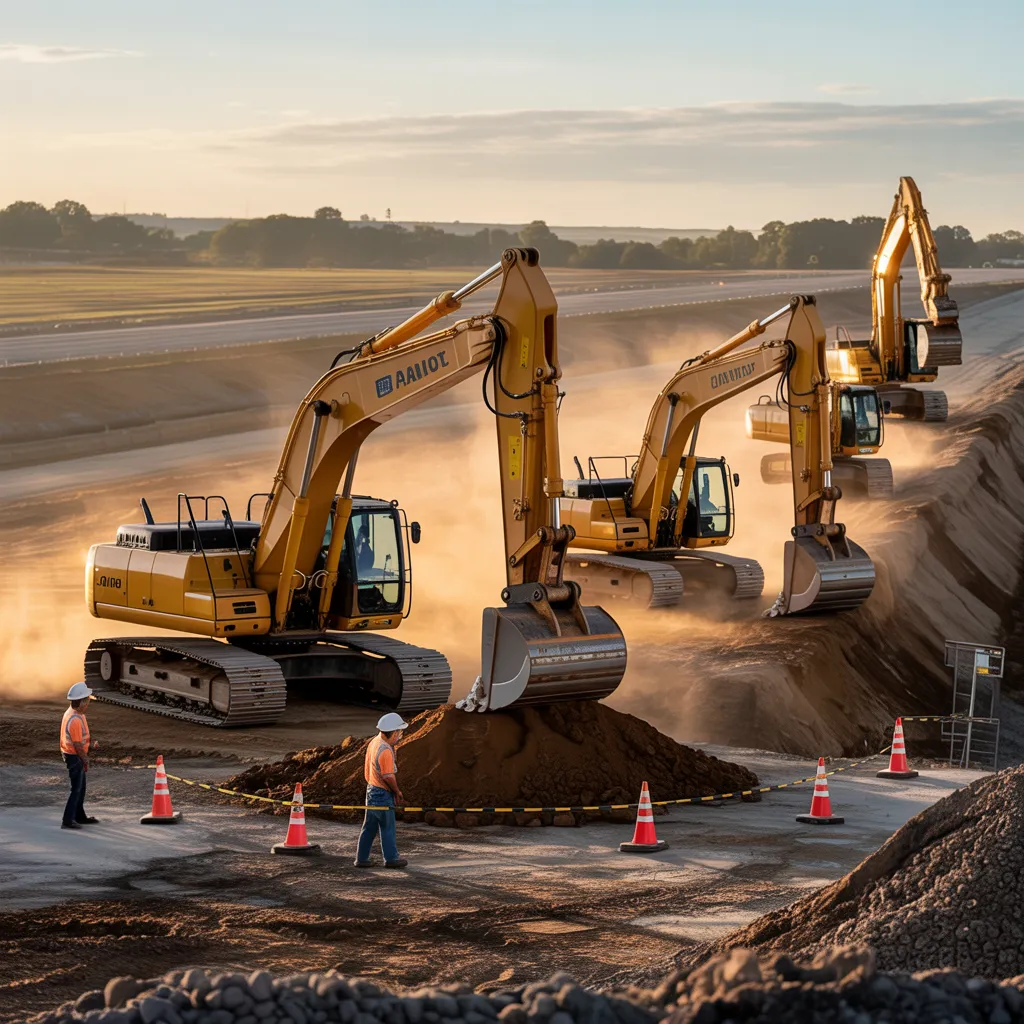
Excavation's Role in Land Development
Excavation functions as an essential factor in site development, transforming the terrain for planned construction work. This process involves the extraction of soil and rock to create a suitable base for constructions, pathways, and related infrastructure. Through precise land surveying, excavation teams can determine the required depth and quantity of material for removal, ensuring that the site is prepared for its intended use.
In addition, excavation plays a crucial role in managing drainage, as it allows for the appropriate grading of land to avoid water buildup. This not only safeguards structures from potential flooding but also improves the site's general functionality. Additionally, excavation enables the installation of vital utility systems, such as water, gas, and electricity, by establishing trenches and access points. Ultimately, excavation is indispensable in creating a strong foundation for successful land development, making certain that subsequent construction stages progress seamlessly and efficiently.
How Excavation Affects Site Preparation
Excavation serves a vital function in the site preparation process by facilitating thorough soil assessment, which assists in determining the suitability of the land for building projects. Understanding the soil composition supports knowledgeable determinations regarding the stability and foundation needs. Additionally, effective excavation contributes to the design of drainage systems, guaranteeing effective water control and mitigating the risk of future complications.
Soil Assessment Importance
Though commonly disregarded, soil assessment holds a vital place in site preparation, as it significantly affects excavation strategies and overall project success. Analyzing soil composition, stability, and moisture content helps developers determine the best course of action regarding excavation depth and methods. Different soil types, such as clay, sand, or silt, display unique characteristics when subjected to weight, affecting the integrity of foundations. A comprehensive soil assessment can expose critical concerns, such as contamination or inadequate bearing capacity, which could result in expensive setbacks if not addressed early. By recognizing these elements, excavation services can customize their methods, ensuring efficient site preparation that corresponds to development requirements. Ultimately, an in-depth soil evaluation is critical for mitigating complications and supporting a positive project result.
Drainage System Design
A thoughtfully structured drainage system is essential to effective site preparation, particularly following a detailed soil assessment. Thorough excavation plays a critical role in this design, as it guarantees that the site's landscape directs water away from structures and reduces erosion. During the excavation process, engineers can recognize natural water flow patterns and alter grading to improve drainage efficiency. Additionally, soil type and permeability are assessed, guiding the selection of suitable materials for drainage solutions, such as pipes or ditches. Applying these systems decreases the risk of water accumulation and flooding, which can jeopardize the integrity of buildings and infrastructure. Ultimately, effective drainage design fosters a stable environment, encouraging successful land development and long-term sustainability.
Soil Types and Their Impact on Excavation
Distinct soil compositions heavily affect the excavation process, presenting unique challenges and advantages. Dense clay soil poses complications during excavation because of its high moisture content, while sandy soil often allows for easier maneuverability and drainage. In contrast, hard rocky surfaces can create substantial barriers, necessitating the use of specialized tools and methods to work through successfully.
Clay Soil Challenges
Clay-based soil poses significant challenges for excavation projects, significantly influencing site development. The dense and cohesive composition of clay renders excavation challenging, frequently necessitating specialized equipment and methods. Water absorption presents another major concern; clay soil is prone to becoming heavily saturated, resulting in ground instability and higher excavation expenses. Furthermore, the characteristic of clay to enlarge when wet and compress when dry creates difficulties in foundation construction, raising the potential for subsidence or structural cracking in buildings erected on clay-heavy ground. Clay's poor drainage characteristics may also delay construction schedules, as builders are required to regulate water levels diligently. In summary, comprehending these difficulties is vital for guaranteeing productive excavation and land development endeavors in clay-rich locations.
Sandy Soil Advantages
As numerous soil types pose distinct obstacles, sandy soil provides distinct advantages for digging projects. Its granular composition allows for effective drainage, reducing the risk of water accumulation which can hinder excavation operations. Such permeability supports faster project schedules, as operators can operate with less risk of interruptions from wet conditions. Furthermore, sandy soil is fairly straightforward to excavate, demanding less intensive machinery and labor compared to heavier soil varieties. The light composition of sandy soil also reduces the chance of equipment getting bogged down, improving overall efficiency. In summary, these characteristics make sandy soil a favorable option for excavation, resulting in more seamless land development and effective project completion.
Rocky Terrain Considerations
Excavation undertakings commonly present considerable difficulties when addressing rocky terrain. The existence of hard rock can create complications throughout the excavation process, necessitating specialized tools such as rock drills and hydraulic hammers. Distinct rock varieties, including granite and limestone, range in hardness, influencing excavation time and costs. Moreover, the geotechnical attributes of the rock impact stability and drainage, which are vital for successful land development. Proper site assessment is essential to determine the best excavation methods and to avoid delays. Beyond that, rocky terrain can hinder access for heavy machinery, demanding strategic planning to maintain efficiency. At its core, comprehending the implications of rocky soil types is fundamental for effective excavation and long-term project success.
The Significance of Proper Drainage in Excavation Work
Proper drainage is a critical element in excavation operations, as it significantly affects the stability and longevity of the ground being prepared. Proper drainage systems prevent water accumulation, which can cause foundation weakening, soil erosion, and possible structural damage. During excavation, managing water is essential to sustain proper soil stability, enabling effective compaction and structural integrity.
In addition, poor drainage systems can lead to water accumulation, creating hazards for equipment and delaying project deadlines. Utilizing reliable drainage solutions, such as installing drainage pipes and grading, guarantees that water flows away from key areas. This forward-thinking strategy not only safeguards valuable assets but also enhances the overall safety of the building site.
Furthermore, adequate drainage minimizes environmental effects by regulating runoff, consequently safeguarding the neighboring ecosystems. To conclude, embedding sound drainage practices into excavation projects is fundamental to achieving successful land development and assuring long-term feasibility.
Common Excavation Challenges and How to Address Them
Navigating the complexities of digging operations often presents various challenges that require strategic solutions. A frequent challenge is unexpected soil conditions, such as rocky terrain or hazardous substances, which can hinder advancement and drive up budgets. To combat this issue, detailed preliminary surveys and soil evaluations are critical for accurate planning.
An additional concern is managing the accumulation of water, which can disrupt workflows and generate safety concerns. Implementing effective drainage systems and dewatering techniques can resolve this problem.
Additionally, access constraints at the site can hinder equipment transport and material delivery. Addressing this involves strategic site layout planning combined with the use of smaller machinery as needed.
Finally, collaborating with utility services is vital, as unmarked lines can lead to hazardous conditions and service disruptions. Working with utility companies before excavation begins helps map out existing utility networks. By preparing for these obstacles and employing appropriate strategies, excavation teams can ensure more efficient project completion and optimal land development success.
The Link Between Excavation and Foundation Stability
Successful excavation lays the groundwork for stable foundations, directly influencing the integrity and longevity of structures. The excavation procedure demands thorough site preparation, involving soil extraction and leveling to secure a uniform surface. Properly executed excavation mitigates risks such as soil erosion and settlement, which can compromise foundation stability.
Furthermore, the kind of soil found during earthwork plays a critical role; adhesive soils, for one thing, present distinct bearing qualities as opposed to granular soils. Engineers use excavation data to assess structural load capacity and design structural foundations accordingly.
The inability to carry out comprehensive excavation may result in structural instability, surface cracks, and eventual foundation collapse. Therefore, a strong connection exists between thorough excavation methods and the enduring integrity of a building's base. Ensuring precise excavation techniques is critical to preserving the foundational strength of any construction endeavor.
Vital Excavation Services That Contribute to Project Success
Excavation services play a significant role in the outcome of every land development endeavor. Among the most important services offered, site preparation is indispensable, making certain the land is properly cleared and leveled before construction begins. Grading services are subsequently performed, enhancing water runoff and forming a reliable base for structural foundations. Additionally, trenching is essential for installing utilities such as water, electricity, and sewage systems, laying the groundwork for future infrastructure.
Moreover, earthmoving services facilitate the clearing of unwanted soil or rock, working to establish the intended site profiles. These solutions not only boost accessibility but also contribute to environmental sustainability by managing soil erosion and preserving natural habitats. To conclude, backfilling is essential to rehabilitate the land following construction, maintaining stability and safety. Together, these excavation services establish a robust foundation for productive land development, decreasing risks and maximizing efficiency during the project lifecycle.
How to Select the Top Excavation Contractor
Identifying the right excavation contractor is vital for confirming that the preparatory work established during land development satisfies the project's specifications and standards. To begin, potential clients should assess the contractor's experience and expertise in similar projects, as a strong track record reflects reliability. Checking licenses and insurance is essential; these qualifications shield both the contractor and the client from potential liabilities.
In addition, acquiring numerous bids allows you to assess industry pricing and guarantees reasonable costs. Reviews and recommendations from prior customers offer valuable information about the professional's expertise and professional conduct. Evaluating their tools and technology can additionally demonstrate their capacity to address specific project demands proficiently.
To conclude, clear communication is crucial; a contractor who listens and addresses concerns fosters a collaborative environment. By evaluating these aspects, clients can make an informed decision, which ultimately results in successful land development results.
Common Questions and Answers
What Equipment Is Typically Used in Excavation Projects?
Excavation work frequently makes use of backhoes, bulldozers, dump trucks, excavators, and skid steers. These machines efficiently move earth, clear debris, and prepare sites, facilitating solid foundations for future construction and land development endeavors.
How Long Does the Excavation Process Typically Take?
The excavation process usually spans anywhere from a few days to several weeks, based on project scope, soil composition, and the machinery employed. Thorough preparation and weather conditions play a major role in determining the overall duration of excavation work.
Are Permits Needed for Excavation Projects?
Yes, obtaining permits find details about is usually required for excavation activities. Regulations vary by location, but securing the required permits guarantees conformity with local ordinances, safety standards, and environmental factors, ultimately facilitating smoother project execution and minimizing potential legal complications.
What Safety Measures Are Taken During Excavation?
In the course of digging, precautionary steps encompass evaluations of the site, appropriate warning signs, safety equipment for personnel, inspection of equipment, trench reinforcement, and observation for potential dangers. These protective steps aim to avoid mishaps and guarantee a secure environment for workers.
How Can Weather Affect Excavation Timelines?
Weather conditions, such as heavy rainfall, snowfall, or harsh temperatures, can greatly delay excavation timelines. Saturated ground may grow unstable, while frozen terrain can obstruct heavy machinery, consequently delaying project finalization and elevating contractor costs.